MEKA K145 Powers Concrete Production for the Etimesgut Airport Modernization Project in Ankara
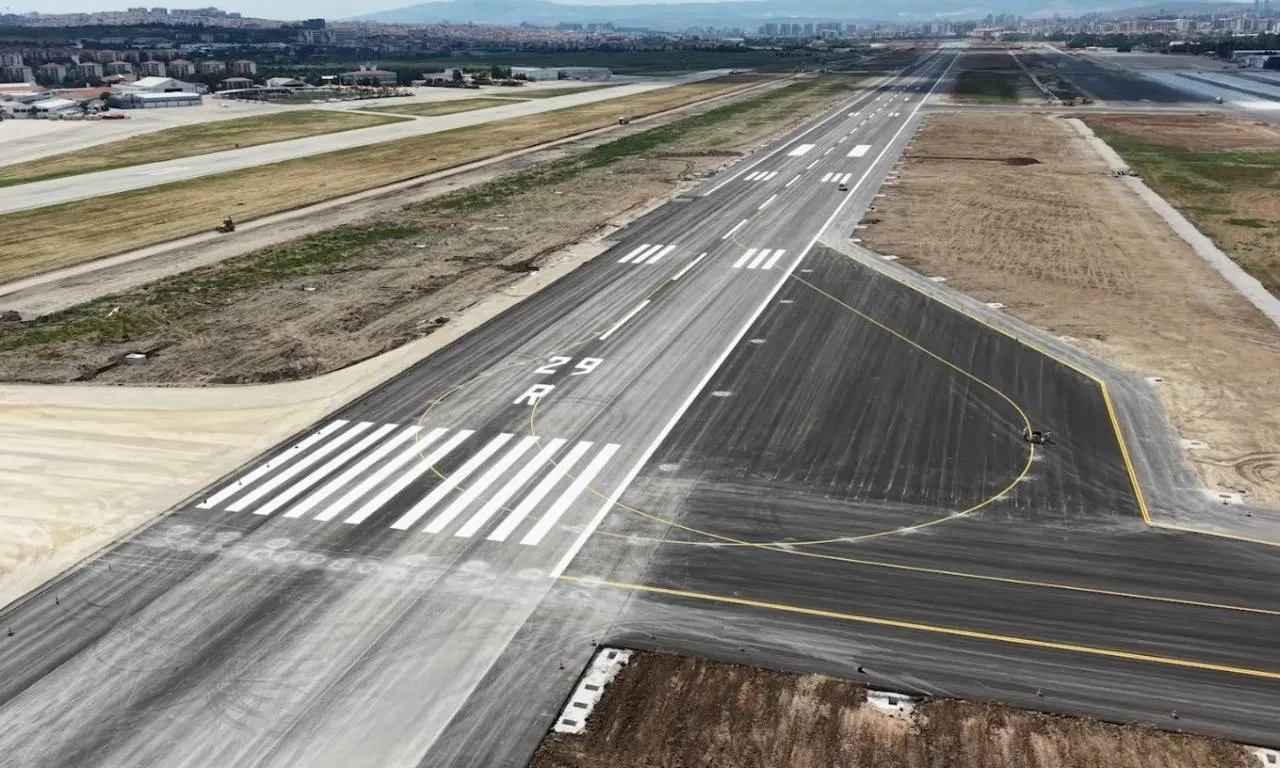
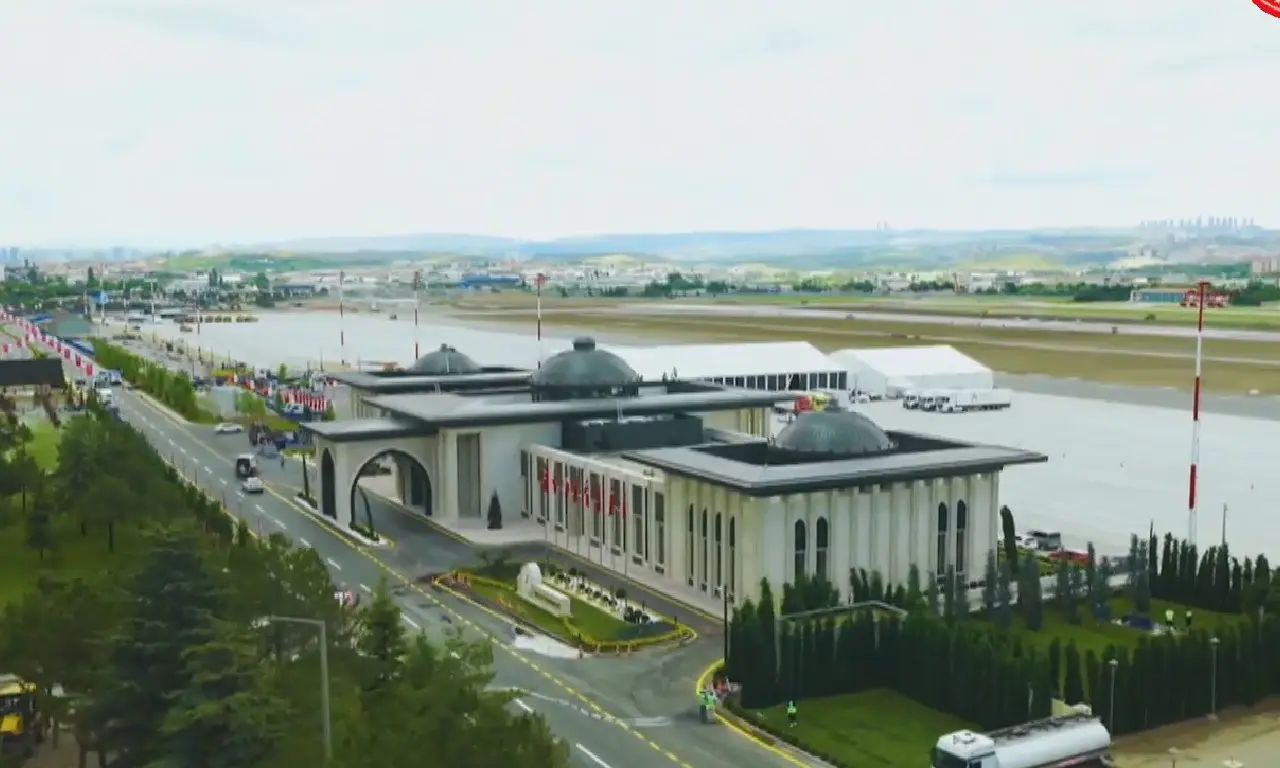
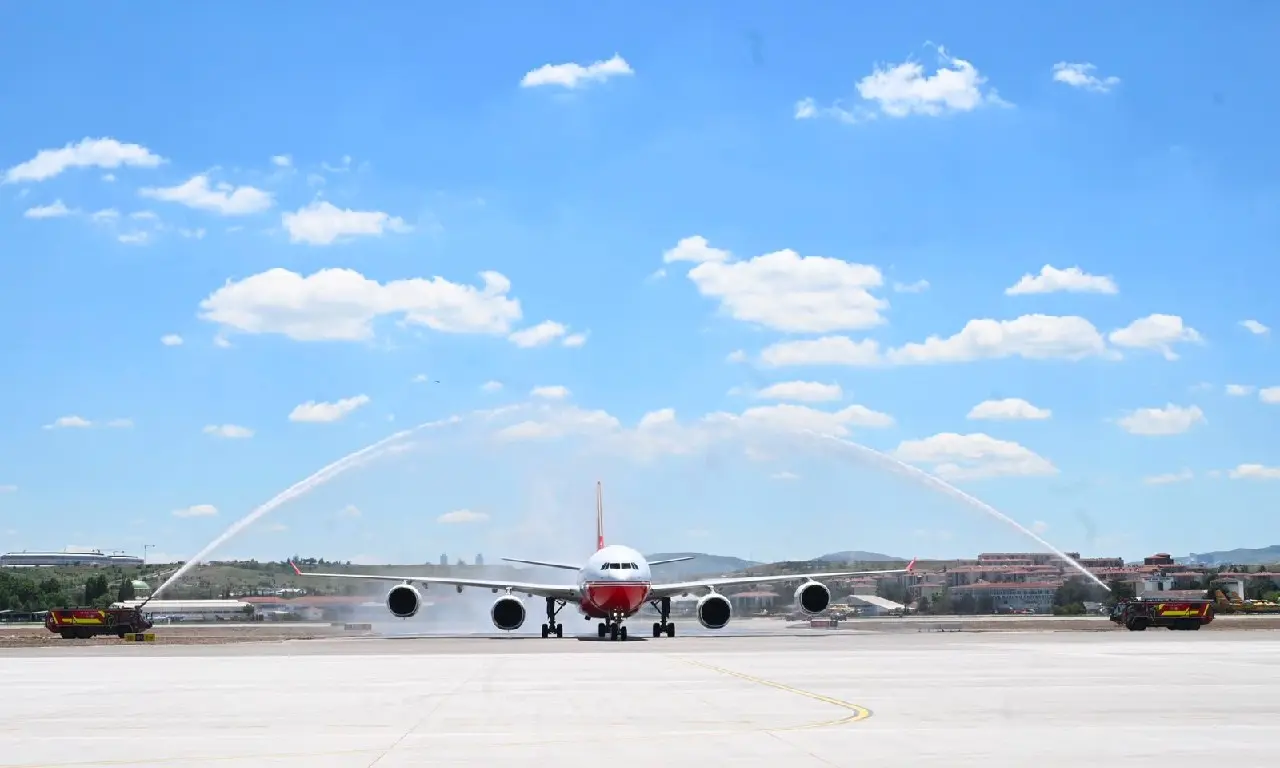
As Ankara prepares to host the NATO Summit on July 7–8, 2026, the modernization of Etimesgut Airport is nearing completion. The project, carried out by the Turkish Ministry of Transport and Infrastructure, includes extending the existing runway from 2,450 m to 3,000 m, increasing its width from 42 m to 60 m, and constructing a new 160,000 m² apron.
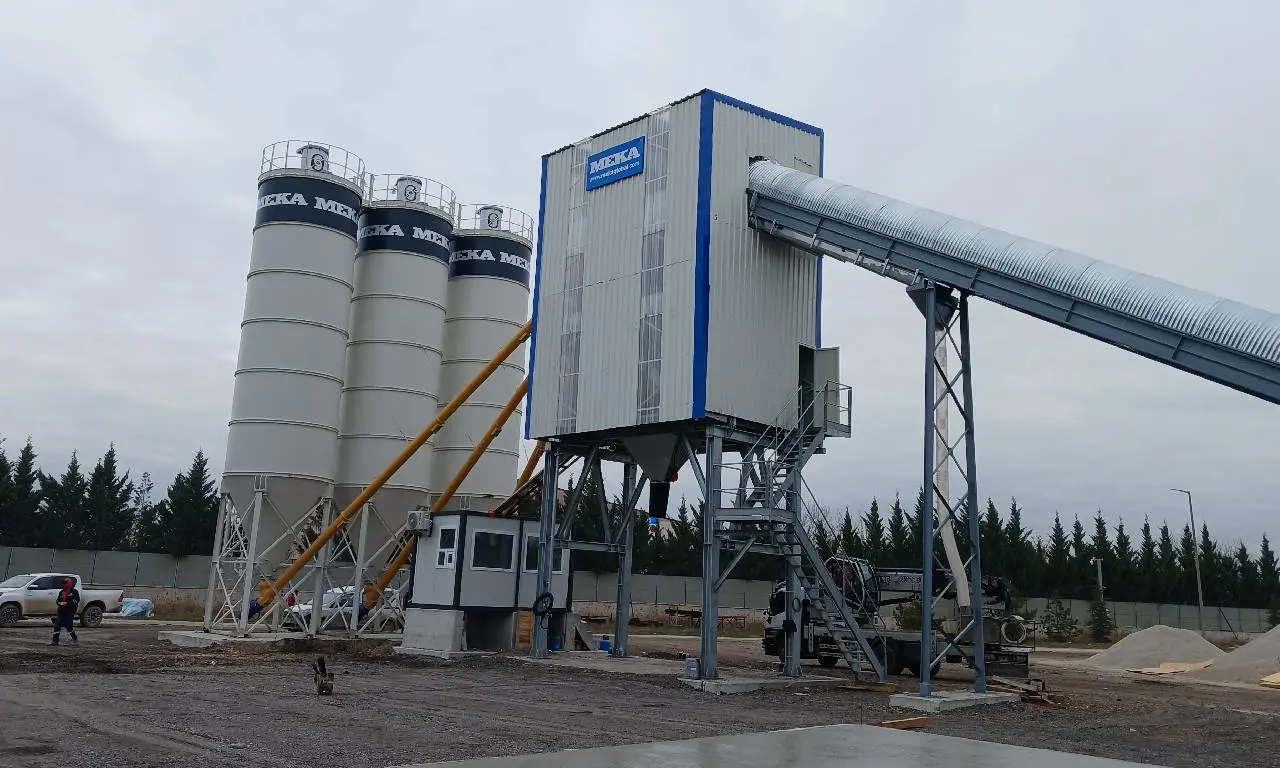
Upon completion of the runway, apron, and taxiway works, the airport's total paved area will reach approximately 600,000 m². Concrete production for the project is being carried out on site using a MEKA K145 Stationary Concrete Batching Plant, and by mid-May 2026, overall construction progress had exceeded 90%.
Concrete production and paving operations are being performed by Trio Çelik, a contractor with extensive experience in airport pavement construction. While runway and taxiway works have continued, the company successfully completed the apron construction in two phases. The same MEKA K145 Stationary Concrete Batching Plant had previously been deployed for the construction of the third runway at Ankara Esenboğa Airport, which entered service in January 2026. This continuity further demonstrates both Trio Çelik's expertise in demanding airport concrete applications and the proven reliability of the MEKA K145 in major infrastructure projects.
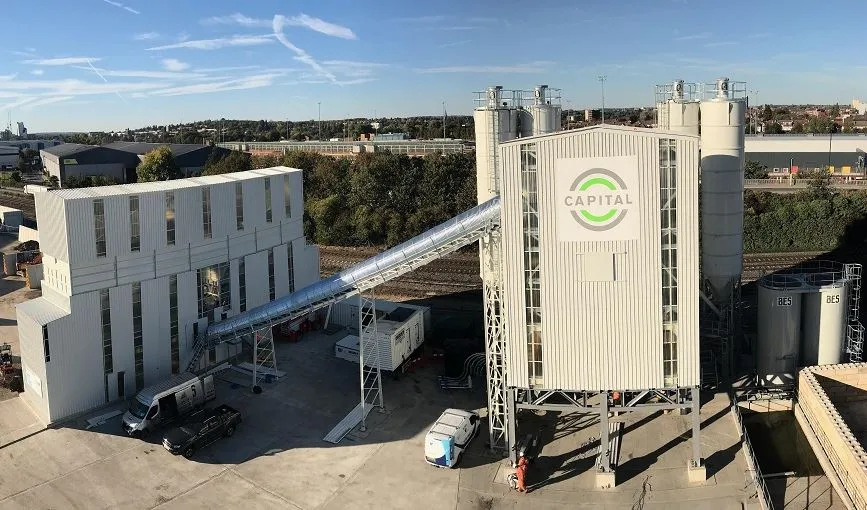
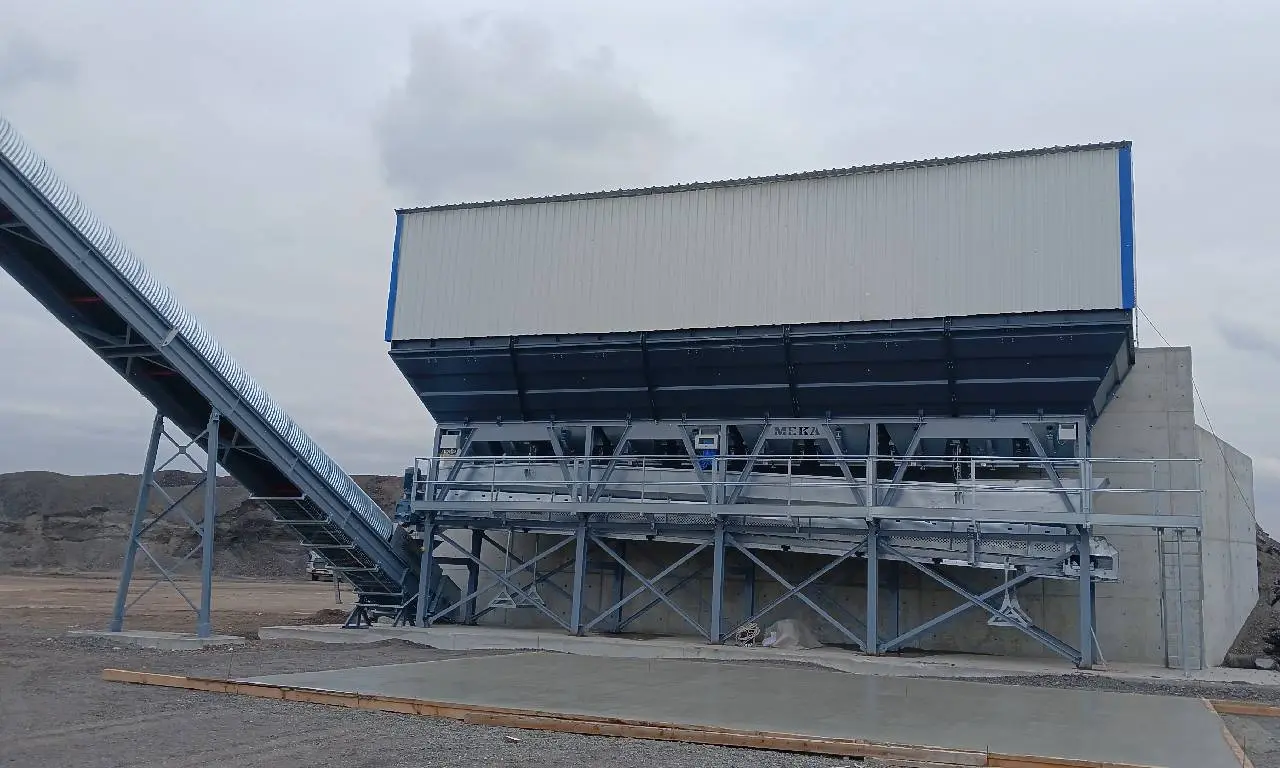
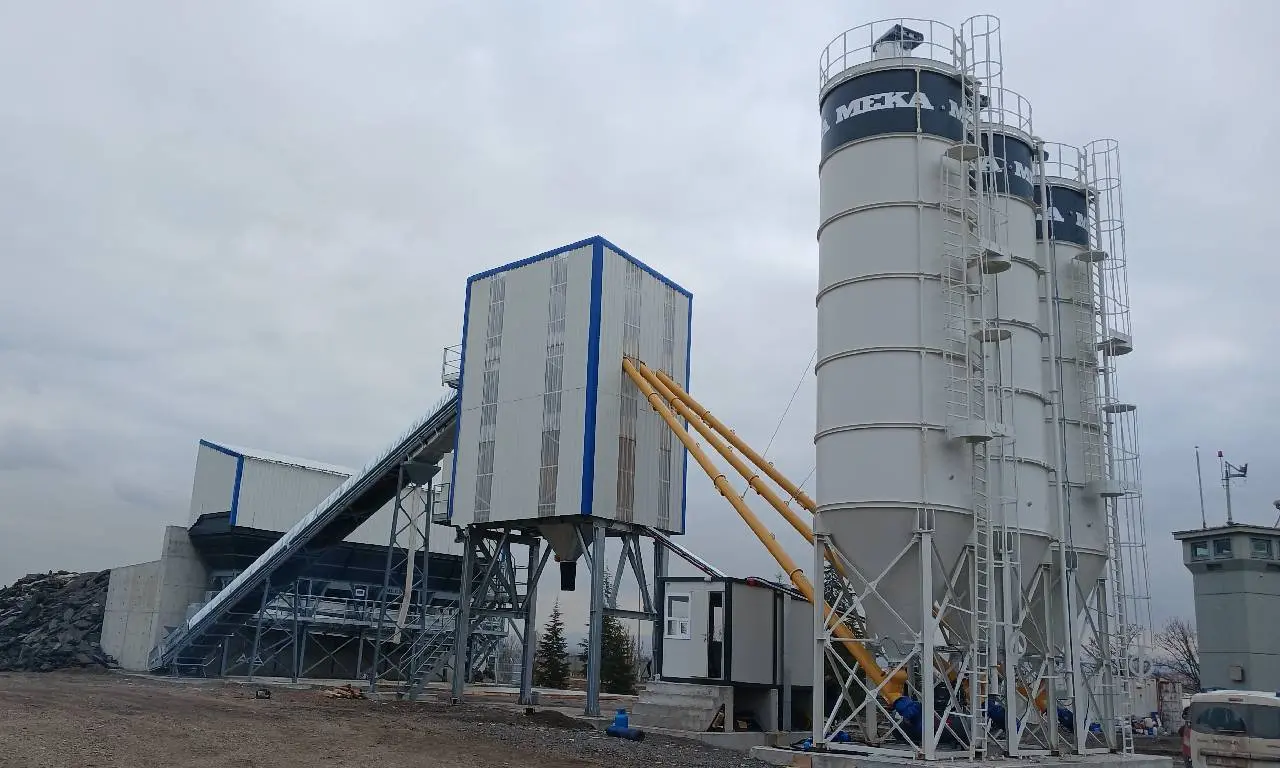
To maximize efficiency, the batching plant was strategically installed within the airport site, allowing concrete to be delivered directly to the paving operations. With a production capacity of 140 m³/h, the plant features a 3.33 m³ twin-shaft mixer operated through a fully automatic control system. Its hot-dip galvanized structure provides long-term corrosion resistance, while its containerized modular design enables rapid installation and commissioning. These features ensured uninterrupted production throughout the project's intensive construction schedule.
Maintaining consistent concrete quality and continuous paving operations is critical in airport runway, apron, and taxiway construction. Reliable, high-capacity concrete production therefore played a key role in supporting the project's demanding quality standards and construction timeline.
Within just five months, the MEKA K145 produced approximately 123,000 m³ of concrete, maintaining uninterrupted production throughout the construction of the runway, apron, taxiways, and other airside facilities. This output included 68,000 m³ of high-strength concrete, 25,000 m³ of lean concrete, and 30,000 m³ of site concrete. Sustaining this production volume without interruption made a significant contribution to keeping the project on schedule and reaching its advanced stage of completion.
Following the NATO Summit, the next phase of the project is planned to include an additional 100,000 m² of pavement construction. Projects of this scale require dependable concrete production systems capable of maintaining continuous operations while consistently meeting strict quality requirements. In airport infrastructure projects, where construction schedules are critical and quality standards allow no compromise, integrating batching plants with the right production capacity and proven operational reliability is a key factor in project success.
The Etimesgut Airport project demonstrates how reliable concrete production directly contributes to the successful delivery of large-scale airport infrastructure. By combining high production capacity, operational reliability, and consistent concrete quality, the MEKA K145 Stationary Concrete Batching Plant continues to support contractors in completing demanding infrastructure projects safely, efficiently, and on schedule.
Upon completion of the runway, apron, and taxiway works, the airport's total paved area will reach approximately 600,000 m². Concrete production for the project is being carried out on site using a MEKA K145 Stationary Concrete Batching Plant, and by mid-May 2026, overall construction progress had exceeded 90%.
Concrete production and paving operations are being performed by Trio Çelik, a contractor with extensive experience in airport pavement construction. While runway and taxiway works have continued, the company successfully completed the apron construction in two phases. The same MEKA K145 Stationary Concrete Batching Plant had previously been deployed for the construction of the third runway at Ankara Esenboğa Airport, which entered service in January 2026. This continuity further demonstrates both Trio Çelik's expertise in demanding airport concrete applications and the proven reliability of the MEKA K145 in major infrastructure projects.
To maximize efficiency, the batching plant was strategically installed within the airport site, allowing concrete to be delivered directly to the paving operations. With a production capacity of 140 m³/h, the plant features a 3.33 m³ twin-shaft mixer operated through a fully automatic control system. Its hot-dip galvanized structure provides long-term corrosion resistance, while its containerized modular design enables rapid installation and commissioning. These features ensured uninterrupted production throughout the project's intensive construction schedule.
Maintaining consistent concrete quality and continuous paving operations is critical in airport runway, apron, and taxiway construction. Reliable, high-capacity concrete production therefore played a key role in supporting the project's demanding quality standards and construction timeline.
Within just five months, the MEKA K145 produced approximately 123,000 m³ of concrete, maintaining uninterrupted production throughout the construction of the runway, apron, taxiways, and other airside facilities. This output included 68,000 m³ of high-strength concrete, 25,000 m³ of lean concrete, and 30,000 m³ of site concrete. Sustaining this production volume without interruption made a significant contribution to keeping the project on schedule and reaching its advanced stage of completion.
Following the NATO Summit, the next phase of the project is planned to include an additional 100,000 m² of pavement construction. Projects of this scale require dependable concrete production systems capable of maintaining continuous operations while consistently meeting strict quality requirements. In airport infrastructure projects, where construction schedules are critical and quality standards allow no compromise, integrating batching plants with the right production capacity and proven operational reliability is a key factor in project success.
The Etimesgut Airport project demonstrates how reliable concrete production directly contributes to the successful delivery of large-scale airport infrastructure. By combining high production capacity, operational reliability, and consistent concrete quality, the MEKA K145 Stationary Concrete Batching Plant continues to support contractors in completing demanding infrastructure projects safely, efficiently, and on schedule.
MEKA GLOBAL