MEKA Concrete Waste Recycling Plant for Cimpor Portugal: Shipment Completed

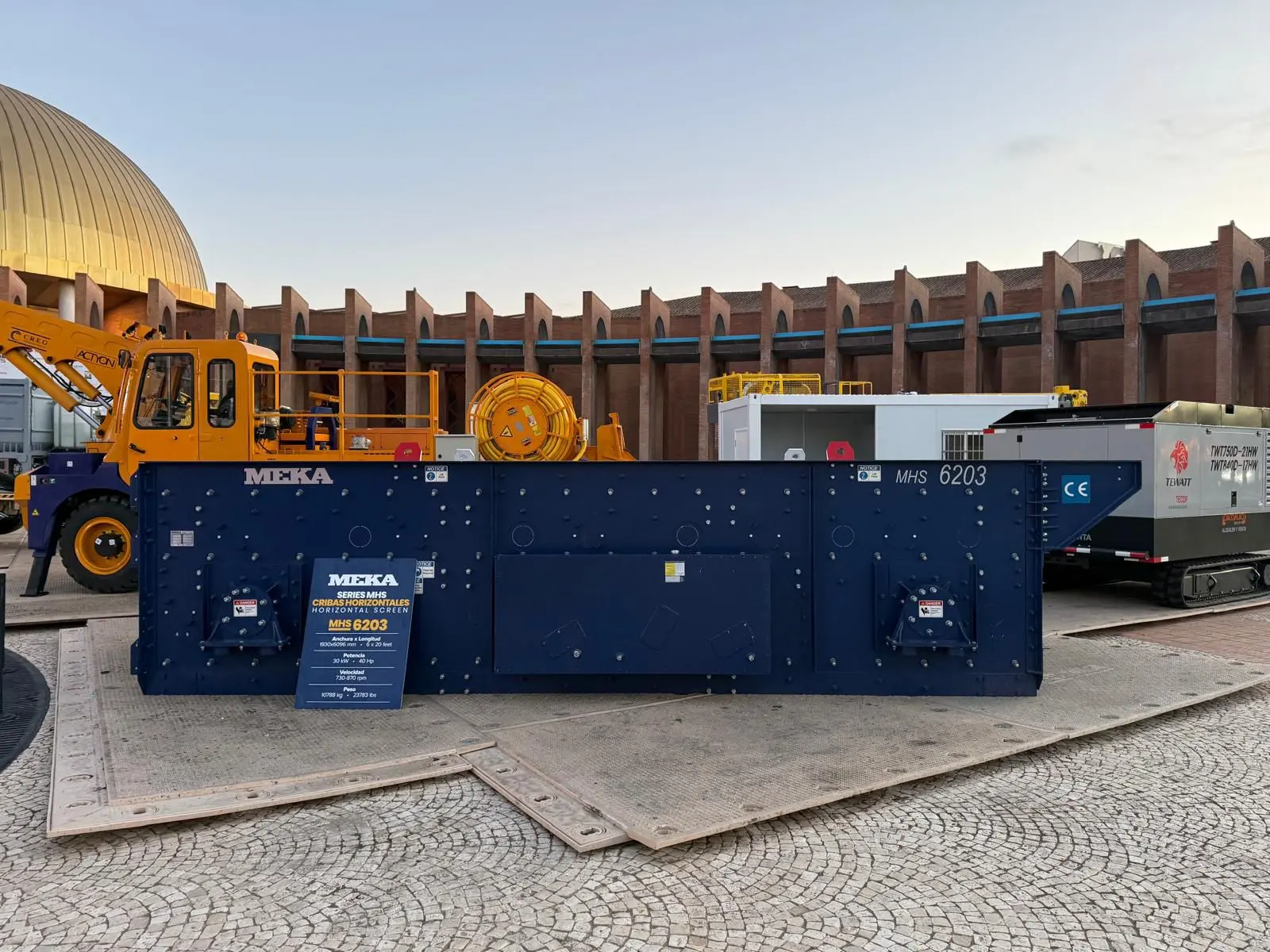
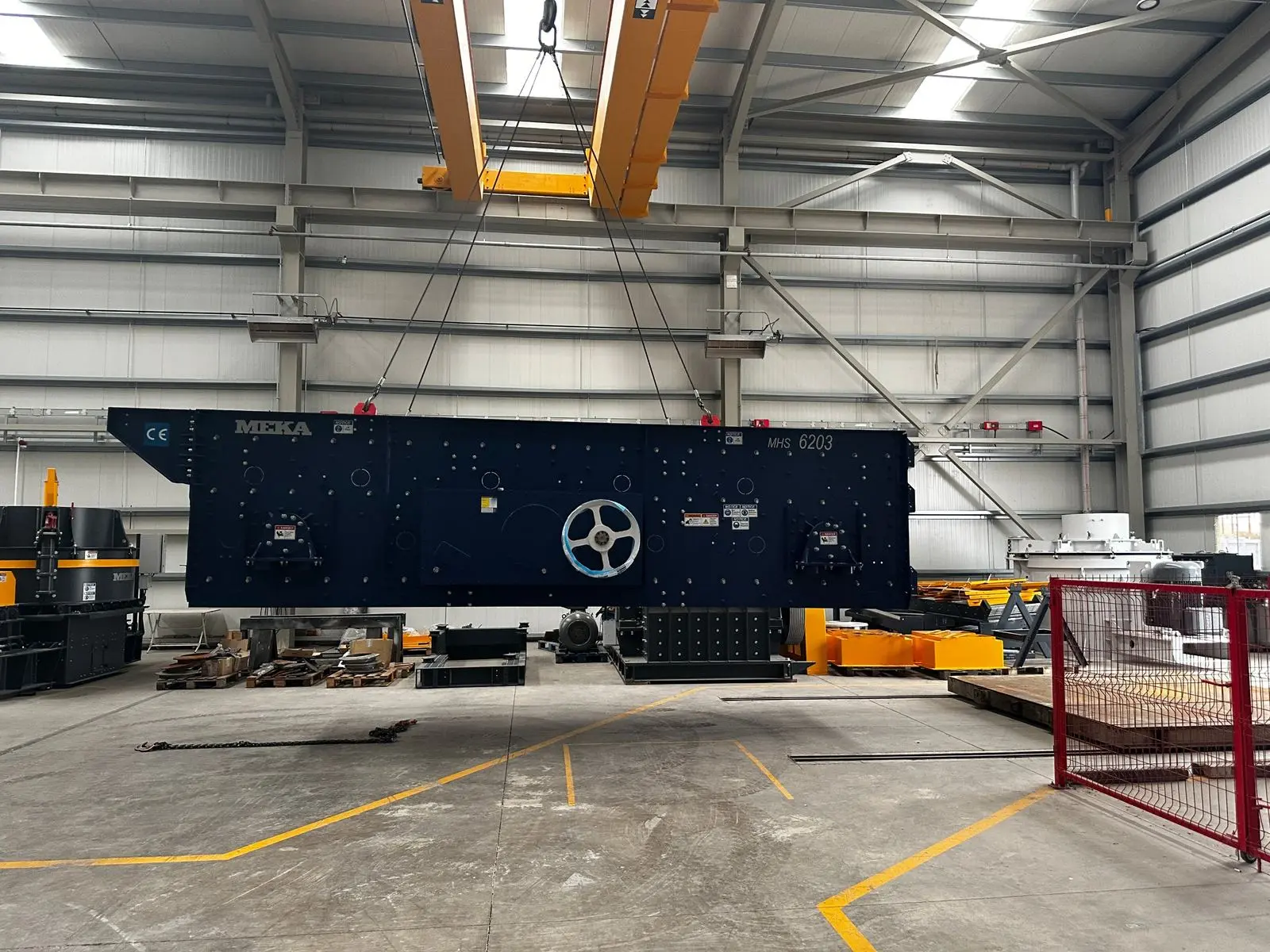
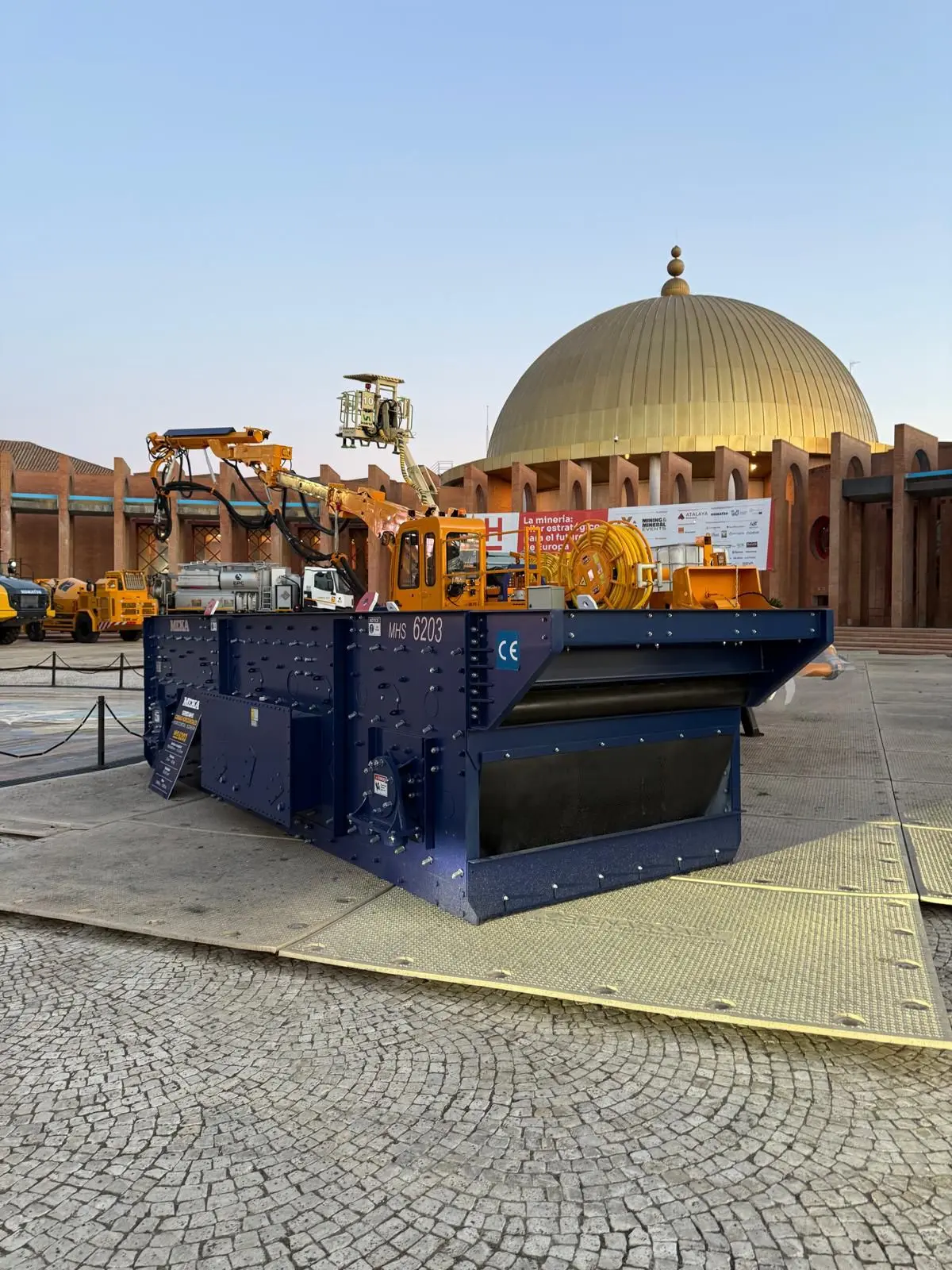
MEKA has completed the shipment of the Concrete Waste Recycling Plant it designed and manufactured for Cimpor, one of Portugal's leading cement producers. To be installed in the capital, Lisbon, the plant will support Cimpor's vision of sustainable production. By recovering concrete from construction and demolition waste, it will reduce the use of natural resources and help lower the carbon emissions associated with cement production.
Throughout the project, MEKA worked closely with the customer to design the plant around its product requirements, site conditions and long-term sustainability goals. Engineering, manufacturing and shipment were all carried out in-house by MEKA.
Project Details
- Project: Cimpor Portugal Concrete Waste Recycling Plant
- Location: Lisbon, Portugal
- Capacity: 150 tonnes/hour
- Products: Micronised mortar and aggregates in 3 different sizes
How Does the Plant Work?
Concrete waste from demolition and construction sites will first be fed into the plant's jaw crusher. In this primary crushing stage, large pieces of concrete will be reduced to a workable size. A metal separation unit will then remove the steel reinforcement from the material. This step will increase the purity of the end products and protect downstream equipment against wear and damage.
Once free of steel, the material will be processed to the target particle sizes in the subsequent crushing and screening stages. During this process, the micron-sized fine mortar fraction within the concrete will be separated, collected in a silo and made ready for recovery. The remaining material will be classified into aggregates of three different sizes, which can be reused in place of natural aggregates.
In this way, concrete waste will be converted into several valuable products in a single process, and almost all of the waste will be returned to the economy.
Contribution to Sustainable Concrete Production
The recovered mortar will be used as a raw material in new concrete production. Cement production is carbon-intensive due to the high energy demand of clinker burning and the CO₂ released during calcination. Using less cement in concrete production therefore delivers a significant gain in terms of both energy savings and a lower carbon footprint.
In the next phase of the project, the mortar is also planned to be carbonated in mills and used to capture CO₂ from flue gas. With this approach, the recovered material will be not only a raw material but also an active carbon-binding component that helps reduce the cement plant's emissions.
The recovered aggregates will also reduce the need to extract aggregates from natural sources. This will limit the environmental impact of quarrying and prevent waste from being sent to landfill.
A Strong Step Towards the Circular Economy
This project is one of MEKA's solutions for turning construction and demolition waste into valuable raw materials. The plant puts circular economy principles into practice and makes a tangible contribution to the cement sector's carbon footprint targets.
With our experience in crushing, screening and recycling technologies, MEKA continues to provide customers around the world with environmentally conscious, efficient and long-lasting solutions. We aim for this project with Cimpor to serve as a model application for the reuse of concrete waste in the sector.
MEKA GLOBAL