What Is the Carbon Cycle? Its Role in the Atmosphere and Importance
The carbon cycle is one of the most critical natural processes for the continuity of life and the climate balance of our planet. This cycle, in which carbon is continuously exchanged between the atmosphere, the oceans, the soil and living organisms, represents a delicate balance that makes life on Earth possible. Carbon is the fundamental building block of all organic molecules in living organisms and plays an indispensable role at every stage of life, from energy production to cell structure.
However, especially since the industrial revolution, human activities have seriously disrupted this balance. The intensive use of fossil fuels, the destruction of forests and industrial production processes have pushed the amount of carbon released into the atmosphere to levels never seen in history. In this article, we comprehensively address what the carbon cycle is, how it works, its role in the atmosphere and what can be done to protect this balance.
What Is the Carbon Cycle and How Does It Work?
The carbon cycle is a biogeochemical process expressing the continuous circulation of the element carbon among the atmosphere, the hydrosphere (oceans and water resources), the lithosphere (the earth's crust) and the biosphere (living things). In addition to being the fundamental building block of all living organisms, carbon is also the main component of the greenhouse gases in the atmosphere.
This cycle basically consists of two large branches: the biological carbon cycle and the geological carbon cycle. While the biological cycle takes place over short periods of time through processes such as photosynthesis and respiration, the geological cycle involves the storage of carbon in rocks and fossil fuels over millions of years. Both branches are connected to each other and together shape the carbon balance on our planet.
The Main Stages of the Carbon Cycle
Photosynthesis and Respiration
Photosynthesis is one of the most fundamental mechanisms of the carbon cycle. Plants, algae and some bacteria use sunlight to absorb carbon dioxide (CO₂) from the atmosphere and convert it into organic compounds, releasing oxygen in the process. This mechanism both forms the food source of living things and plays a decisive role in regulating the CO₂ level in the atmosphere.
On the other hand, respiration is the process by which living organisms break down organic matter to produce energy and return carbon dioxide to the atmosphere. All living things, including plants, respire. This reciprocal relationship between photosynthesis and respiration is vitally important in maintaining the carbon balance in the atmosphere.
Carbon Storage in the Oceans
The oceans are one of the largest carbon sinks on Earth. A significant portion of the carbon dioxide in the atmosphere is absorbed by the oceans and stored through various processes. This storage occurs in three main ways: physical dissolution (the direct dissolution of CO₂ in seawater), the biological pump (phytoplankton fixing carbon through photosynthesis) and chemical reactions (the formation of carbonate and bicarbonate).
However, the oceans' increasing CO₂ absorption is causing ocean acidification. The drop in the pH value of seawater threatens many species, above all coral reefs and shelled marine creatures. This situation may also negatively affect the carbon storage capacity of ocean ecosystems in the long term.
Fossil Fuel Use and Human Impact
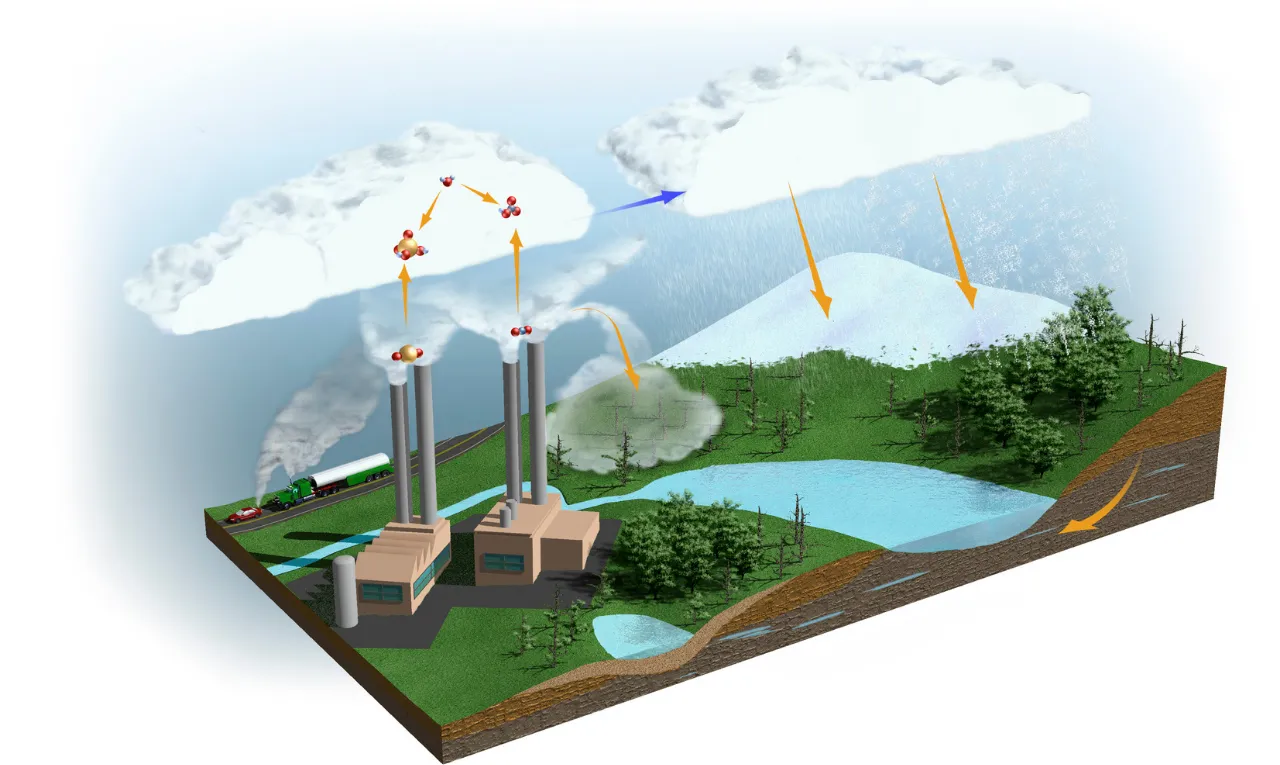
Fossil fuels (coal, oil and natural gas) are carbon resources stored underground over millions of years. Since the industrial revolution, humans have been burning these resources intensively for energy production, transportation and industrial production. This process rapidly releases into the atmosphere the carbon that was safely stored underground and disrupts the balance of the natural carbon cycle.
In addition, the destruction of forests also creates serious pressure on the carbon cycle. When trees are cut down, carbon absorption stops and the carbon stored in the trees is released back into the atmosphere. Activities such as industrial agriculture, cement production and waste management also lead to significant carbon emissions into the atmosphere.
The Role of the Carbon Cycle in the Atmosphere
The carbon dioxide in the atmosphere is one of the most important gases that make possible the natural process known as the greenhouse effect. The greenhouse effect ensures that part of the heat coming from the sun is retained by the atmosphere and that the earth's surface stays at habitable temperatures. The carbon cycle protects the stability of the global climate system by regulating the amount of this gas in the atmosphere.
When the natural carbon cycle works properly, the CO₂ concentration in the atmosphere stays balanced within a certain range. This balance keeps the earth's average temperature at around 15 °C. However, when this balance is disrupted by human activities, the amount of CO₂ in the atmosphere increases rapidly and the greenhouse effect strengthens. While the CO₂ concentration in the atmosphere was about 280 ppm in the pre-industrial period, today this figure has risen above 420 ppm. This increase is the most fundamental driving force of climate change.
Another important dimension of the carbon balance in the atmosphere is the relationship between carbon sinks and carbon sources. While natural sinks such as forests, oceans and soil absorb some of the atmospheric carbon, natural sources such as volcanic activity, the decomposition of organic matter and the respiration of living things return carbon to the atmosphere. This two-way flow is a natural mechanism that has maintained the balance for millions of years. However, additional human-caused emissions, such as fossil fuel use, release far more carbon into the atmosphere than the natural sinks can absorb.
Consequences of the Disruption of the Carbon Cycle
Global warming is the most obvious and widespread consequence of the disruption of the carbon cycle. The increasing greenhouse gas concentration in the atmosphere causes the earth's average temperature to rise, glaciers to melt, sea levels to rise and extreme weather events to become more frequent. Natural disasters such as drought, floods, forest fires and storms are among the direct consequences of global warming.
Effects on ecosystem balance are also extremely serious. The disruption of the carbon cycle negatively affects marine and terrestrial ecosystems in different ways. While ocean acidification threatens marine biodiversity, changing climate conditions narrow the habitats of land creatures. The decline in agricultural productivity, the depletion of water resources and the endangerment of food security also constitute the socioeconomic dimension of the disruption in the carbon balance.
What Can Be Done to Protect the Carbon Cycle?
To halt the disruption in the carbon cycle and restore the balance, determined steps must be taken at both the individual and the institutional level.
Transition to Renewable Energy Sources
The transition from fossil fuels to renewable energy sources is one of the most effective ways to reduce carbon emissions. Clean energy sources such as solar, wind, hydroelectric and geothermal energy can replace fossil fuels in a wide range of areas, from electricity generation to transportation. By accelerating their energy-transition strategies, countries and companies can directly contribute to protecting the carbon cycle. Clean energy investments, especially in energy-intensive industries, offer significant gains both environmentally and economically.
Methods for Reducing the Carbon Footprint
Various strategies can be applied to reduce the individual and institutional carbon footprint. The main ones among these methods are increasing energy efficiency, preferring public transport and electric vehicles, improving waste management and supporting afforestation projects. For companies, measuring, reporting and reducing carbon emissions in production processes is of great importance.
Reaching international standards in carbon management at the corporate level is a critical step in companies' sustainability journey. Obtaining a carbon certificate allows companies to manage their carbon emissions within an international framework. At the same time, adopting an environmentally friendly production approach aims to minimize the carbon footprint at every stage, from production processes to the supply chain.
CONCLUSION
The carbon cycle is an inseparable part of our planet's climate system and life cycle. Protecting this balance is not only an environmental responsibility but also the foundation of economic and social sustainability. All stakeholders, from individuals to governments and from companies to non-governmental organizations, must take determined steps to reduce carbon emissions.
Understanding the carbon cycle is the first and most important step in protecting it. Every concrete step taken today is of great importance for leaving a more livable world to future generations. Sustainable production, conscious consumption and innovative technologies will continue to be our most powerful tools for bringing the carbon cycle back into balance.
MEKA GLOBAL