What Is Rock? Rock Types and Properties
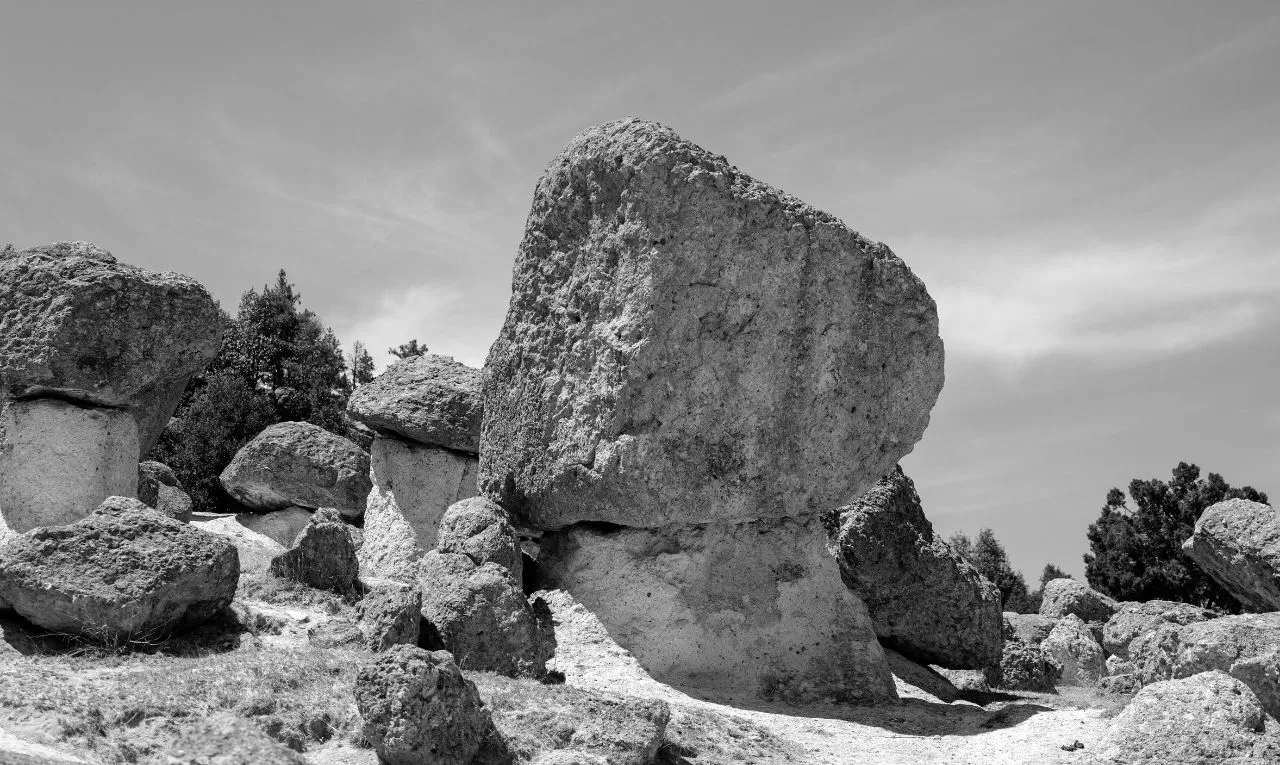
The question "What is rock?" is a fundamental starting point in many sectors, from mining to construction. Rocks are natural masses that form the earth's crust and are made up of combinations of minerals. In the field, rock types are not just a geological classification; they also directly affect equipment selection through properties such as brittleness, abrasiveness, density and strength. For example, two plants operating at the same capacity can produce completely different results with different rock types: in one the dust ratio increases, while in another the wear parts wear out rapidly or clogging occurs on the screen. Therefore, when rock properties are read correctly,crushing, screening and washing equipment is selected more accurately, and plant performance becomes more predictable.
What Is Rock and How Is It Formed?
The definition of rocks is addressed together with their mineral composition, texture (grain structure) and formation processes. Their role in the earth's crust directly affects both the distribution of natural resources and the behaviour of soil and structures.
Their place in the geological cycle explains the following: magma can cool and solidify to form igneous rocks; rocks can break up, be transported and accumulate to become sedimentary rocks; and they can be reshaped by heat and pressure to become metamorphic rocks. This transformation chain is the main reason for the diversity of materials we see in the field. A practical way to understand a rock type on site is to read clues such as grain size (coarse or fine), the binder (cement/precipitation), pore structure and fracture. These indicators help predict how the material will break and what the grain shape will be after crushing. Moreover, the mineral content affects not only the appearance but also the processing behaviour. For example, materials with a high quartz content can be more abrasive; clay minerals, when combined with moisture, can increase the risk of sticking and clogging. For this reason, answering the question "what is rock?" is often the first step in correct process planning. Because this first reading shapes the crushers type (jaw, cone, impact) and whether the screening/washing steps are needed.
What Are the Types of Rock?
Rock types are generally divided into three main groups: igneous rocks, sedimentary rocks and metamorphic rocks. The behaviour of each group can affect many aspects, from quarry production to aggregate quality, crusher selection and even the life of the wear parts.
From a field perspective, this classification makes it easier to answer the following questions: Is the material brittle or hard? Is it very abrasive? Does it have a layered structure? What should the target product grain shape be? The summaries below help to understand each rock group from a production perspective.
Igneous (Volcanic) Rocks
Igneous rocks form when magma or lava cools and solidifies. Granite, basalt, diorite and gabbro are examples of this group. These rocks generally show high strength and hardness, which can increase energy requirements and equipment wear in the crushing process. In igneous rocks, the target product is usually fractions that require high strength, such as concrete/asphalt aggregate or railway ballast. In such projects, in the primary stage jaw crushers, and in the later stages cone or impact crushers can be preferred; correct staging increases capacity while also improving control of the particle shape. Another issue to consider in the field is the feed arrangement. In hard rocks, irregular feeding can cause "idle running" or "overload" fluctuations in the crusher. Stable feeding, a suitable bin design and the right screen-crusher combination significantly increase performance.
Sedimentary Rocks
Sedimentary rocks form when particles are transported and deposited and turn to stone over time. Rocks such as limestone, sandstone and shale are in this group. Sedimentary rocks are sometimes easier to break; however, their layered structure, variable purity and clay content can affect product consistency.
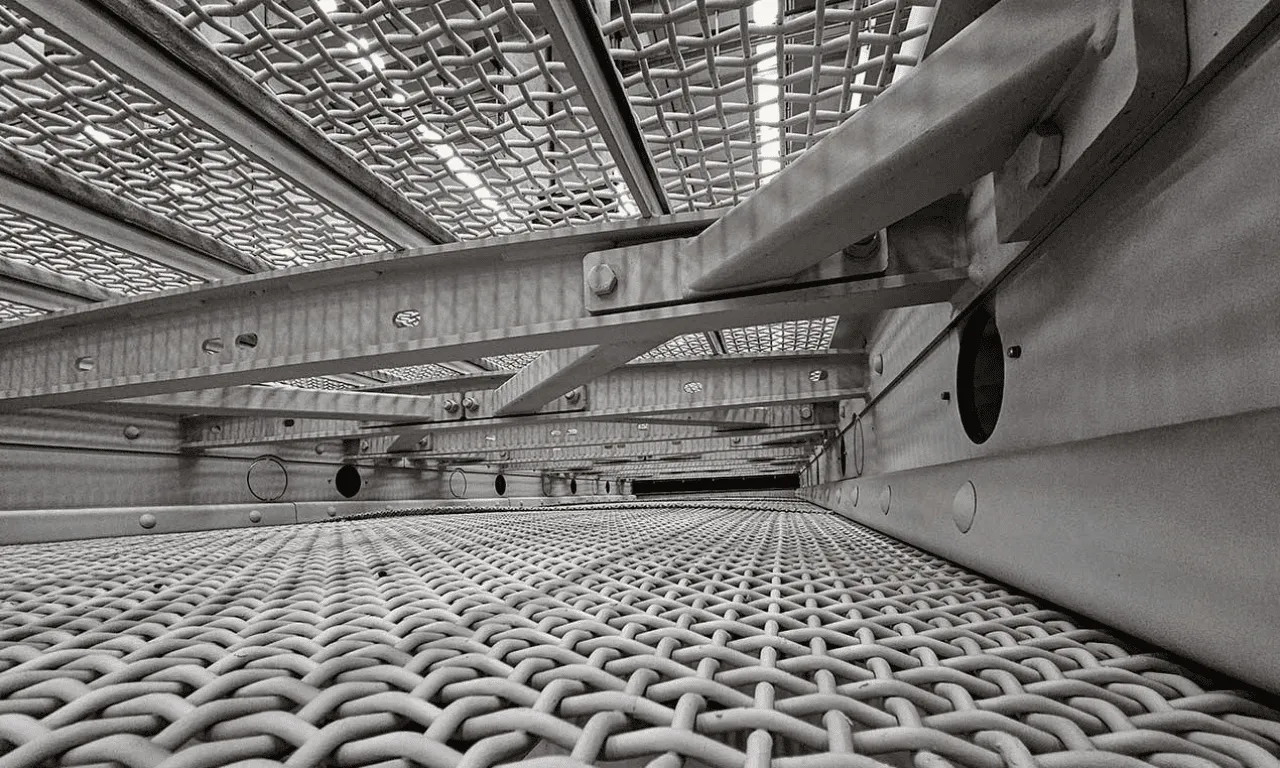
One of the practical risks with sedimentary rocks in aggregate production is the accumulation of fine material and sticking/clogging together with moisture. For this reason, pre-screening, choosing a suitable screen surface, adjusting the belt speed and, if necessary, washing steps increase screening efficiency and stockpile quality. At this point, the right crushing, screening and washing equipment configuration reduces the risk of clogging while also strengthening product consistency.
In sedimentary rocks, "soft bands" and "hard bands" sometimes occur together. This can create different breakage behaviours in the crushing stages and affect the product distribution. Regular sampling and grading monitoring are the most practical way to keep quality stable.
Metamorphic Rocks
Metamorphic rocks form when existing rocks recrystallize under high pressure and temperature. Marble, gneiss, schist and quartzite can be given as examples of this group.
These rocks can sometimes exhibit distinct vein structures and directional textures. This can increase the tendency to break along cracks during crushing and affect grain-shape control. Once the application goal (aggregate, paving stone, industrial raw material) is clarified, the crushing stages and screening strategy are determined more accurately. For example, since marble can be valuable for decorative purposes, a "minimum-damage separation" approach is more important in production. In hard metamorphic rocks such as quartzite, abrasiveness and energy requirements come to the fore. For this reason, metamorphic rocks should be planned not according to a single recipe but according to the field characteristics.
What Are the Properties of Rocks?
Rock properties cannot be explained with a simple distinction such as "hard or soft." For production planning and equipment selection, it is useful to know some basic parameters:
• Hardness and strength: Affect the crushing energy requirement and the capacity.
• Abrasiveness: Determines the life of wear parts such as jaws, liners and rotors.
• Breakage and stratification: Affect how the material will break and how the grain shape will form.
• Moisture and clay content: Can reduce screening efficiency and increase the risk of clogging and sticking.
• Grain shape and flatness-to-length ratio: An important quality criterion in concrete and asphalt performance.
• Density and porosity: Affect the transport and storage volume, water-absorption behaviour and some durability criteria.
Areas of Use of Rocks
The "areas of use of rocks" vary according to the rock type, mineral content and target product standard. The scenario we encounter most often in construction and infrastructure projects is the use of rocks to produce aggregate in different fractions after passing them through crushing-and-screening processes. Correct rock selection and correct process design directly affect both product quality and operating costs.
In practice, rocks can be evaluated for different purposes according to strength and grain-shape criteria. For example, high-strength and abrasion-resistant rocks stand out in aggregate and ballast applications used under heavy-duty conditions, while more easily workable rocks can be preferred in fill and ground-improvement works.
In summary, the common areas of use of rocks are as follows:
• Concrete and asphalt aggregate production (coarse and fine aggregate fractions)
• Infrastructure and superstructure fill works (road sub-base/base layers, stabilization)
• Railway ballast and drainage materials (strength and grain shape are critical)
• Industrial raw materials (depending on the mineral, processes such as cement, glass, ceramics, etc.)
• Facing stone and decorative applications (aesthetics and durability are evaluated together)
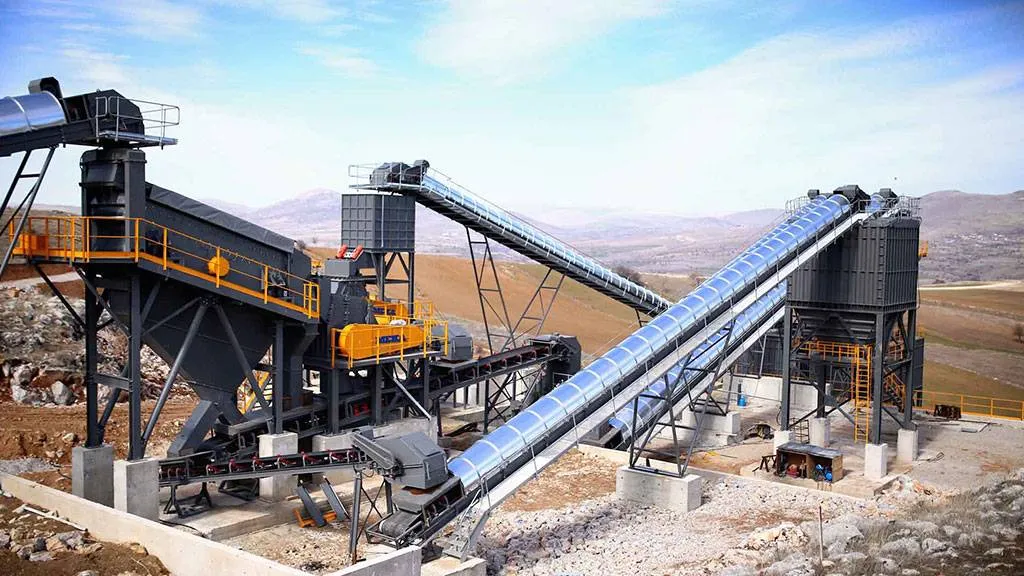
At this point, the answer to the question "what is rock?" is not limited to geology alone; the effect of rock properties on crusher selection (jaw, impact, cone), screen configuration and plant capacity is also critically important. MEKA's Crushing, Screening and Washing Equipment, according to parameters such as the hardness, abrasiveness and moisture/clay content of the material, help you choose the right crushers (jaw, cone, impact) and can be tailored to your project to achieve consistent grading with a suitable screen/washing setup.
MEKA GLOBAL