What is Gypsum? Gypsum and Its Industrial Uses
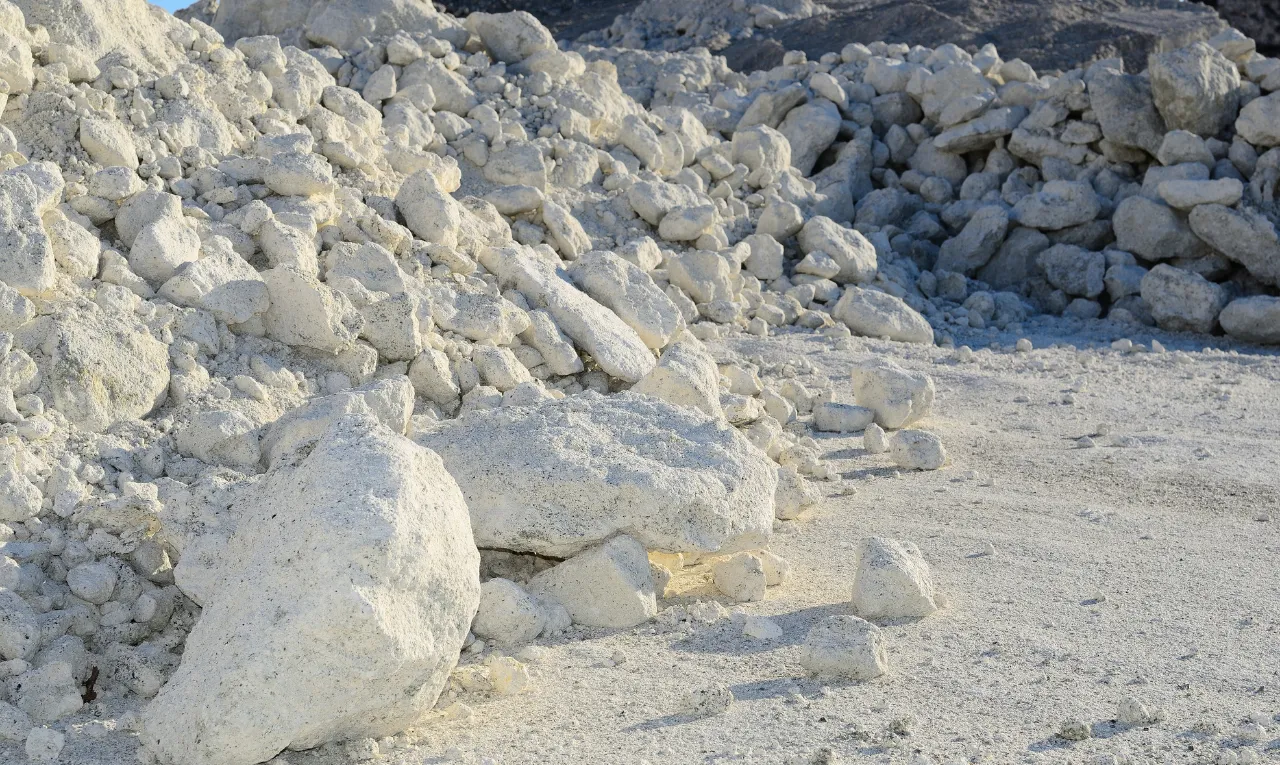
Most people walk past gypsum every single day without realizing it. It is in the walls of your office, mixed into the cement under your driveway, and spread across farmland to keep soil healthy. It is not a glamorous mineral. But strip it out of modern industry, and you would notice the gap almost immediately. So what is gypsum, what is gypsum used for, and why does virtually every construction site on the planet depend on it?
Definition and Chemical Composition
Gypsum is a soft sulfate mineral. Its chemical formula is CaSO₄·2H₂O, which means it is made up of calcium, sulfur, oxygen, and two molecules of water locked inside its crystal structure. That trapped water matters more than you might think. Heat gypsum to about 150 °C and it sheds part of that moisture, turning into a fine powder called plaster of Paris. Add water back, and it re-solidifies. Simple chemistry, but humans figured out how to use it thousands of years ago, and we have not really stopped since.
Natural vs. Synthetic Gypsum
There are two main sources. Natural gypsum comes from sedimentary rock deposits formed millions of years ago when ancient seas and lakes evaporated. You can find these deposits on every continent. The largest reserves sit in the United States, China, Iran, Turkey, Spain, and Thailand.
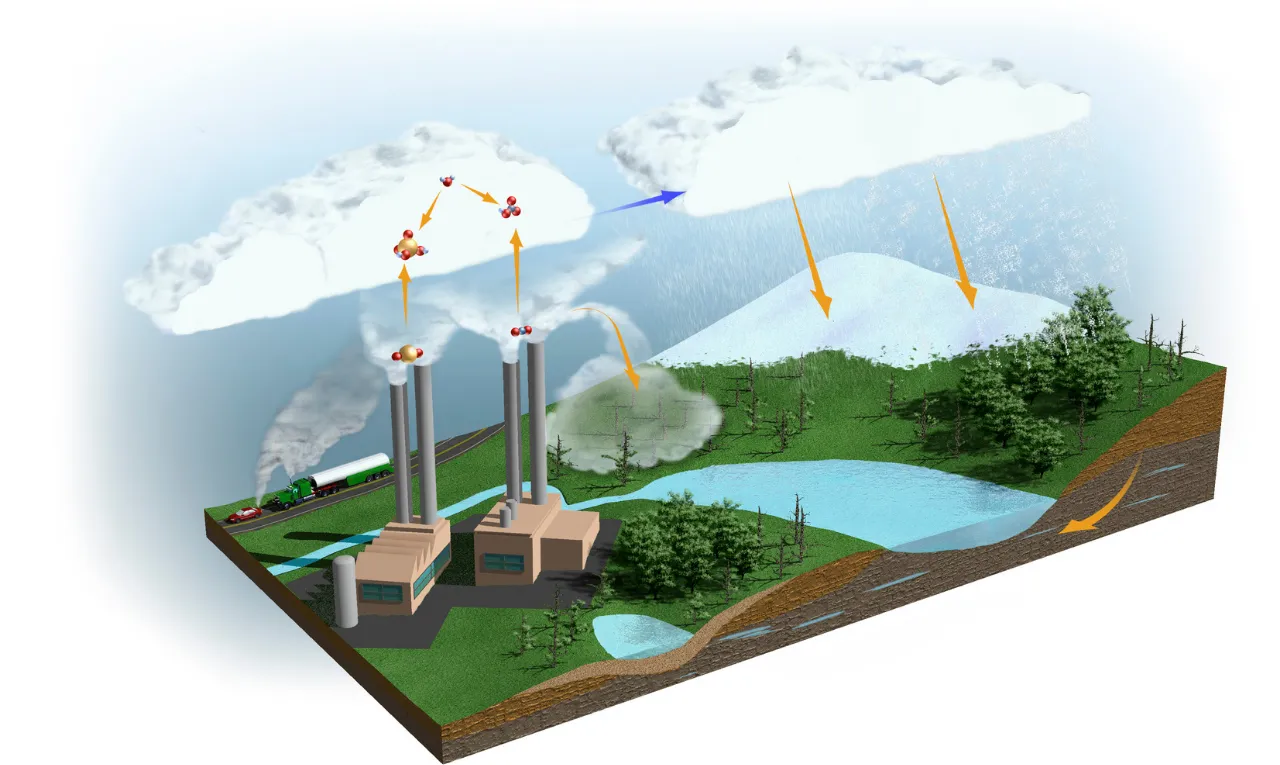
Then there is synthetic gypsum. Coal-fired power plants produce it as a byproduct of flue-gas desulfurization (FGD), a process that captures sulfur dioxide from exhaust gases using limestone. The resulting calcium sulfate dihydrate is chemically identical to the mined version. What started as an industrial waste problem has turned into a genuine supply channel, and today synthetic gypsum covers a significant portion of global demand.
Common Sources and Mining Methods
Getting natural gypsum out of the ground is straightforward. Depending on how deep the deposit sits, producers use either open-pit quarrying or underground mining. Once extracted, the raw rock needs to be crushed and screened to reach the right particle size for whatever comes next. Modern crushing and screening equipment handles this at high volumes without sacrificing size accuracy, which keeps the whole downstream process running smoothly.
Properties of Gypsum
The gypsum properties that make it so widely used are not complicated, but they are remarkably well-suited to industrial needs.
Start with hardness. Gypsum scores just 2 on the Mohs scale. You can literally scratch it with your fingernail. Its density is around 2.3 g/cm³, and it dissolves in water at a modest rate of 2.0 to 2.5 g/L at room temperature. That slow solubility is actually a big advantage in agriculture, because it means gypsum releases nutrients gradually rather than washing out after the first heavy rain.
It is also non-toxic, chemically neutral, and compatible with a long list of other materials. But the property that construction professionals care about most is fire resistance. When a gypsum board is exposed to flame, the water inside its crystal structure absorbs heat as it evaporates. That process buys critical time by slowing heat transfer through the wall or ceiling assembly. It is the reason gypsum board shows up in nearly every fire-rated partition you will ever see.
Use of Gypsum in Construction
Construction eats up more gypsum than any other sector, and the uses of gypsum in construction cover a lot of ground.
Drywall (Gypsum Board): This is the big one. Manufacturers press a layer of gypsum plaster between two sheets of heavy paper or fiberglass mat to produce lightweight panels that go up fast and resist fire. Drywall has almost entirely replaced the old lath-and-plaster approach in both residential and commercial projects. It is cheaper, quicker to install, and delivers consistent fire performance.
Cement Production: Every bag of Portland cement contains gypsum, usually between 3 to 5 percent by weight. It gets interground with cement clinker to control setting time. Without it, cement would seize up the moment it touched water, and placing concrete would become nearly impossible. Getting this ratio right is part of what makes reliable concrete batching plants so important in the production chain.
Plaster and Stucco: Old-school plastering still has a strong foothold in many regions. Gypsum-based plasters give interior walls a smooth, hard finish, while stucco coatings on exteriors often include gypsum to improve workability during application.
Agricultural Use: What is Gypsum Used for in Soil Conditioning?
Farmers have been spreading gypsum on their fields for centuries, and modern soil science keeps confirming they were onto something. In heavy clay soils, gypsum triggers flocculation. That is the process where tiny clay particles clump together into larger aggregates, opening up pore space so water drains better and roots can push through more easily.
There is a nutritional angle too. Gypsum delivers calcium and sulfur directly to the root zone, both essential for plant growth. It is especially effective on sodic soils, where excess sodium degrades structure and stunts crops. The calcium in gypsum swaps places with sodium on soil exchange sites, and irrigation water flushes the displaced sodium away. One important detail: unlike agricultural lime, gypsum does not shift soil pH. For growers managing pH-sensitive crops, that distinction alone makes gypsum the preferred amendment.
Other Industrial Applications
Gypsum shows up in places most people would not expect. Ceramics manufacturers rely on gypsum molds because the material pulls moisture out of liquid clay slips efficiently. In pharmaceuticals, purified gypsum serves as an excipient in tablets and plays a role in dental impression compounds. The food industry uses it as well. Tofu producers add gypsum as a coagulant, and certain bakeries use it as a calcium fortifier in bread and pastries.
Advantages of Using Gypsum in Industry
Environmental Benefits
Sustainability is where gypsum quietly outperforms many competing materials. It is fully recyclable. Scrap drywall from a demolition site can go straight back into the manufacturing line without any drop in quality. The entire FGD gypsum supply chain is essentially a recycling story in itself: millions of tons of what would otherwise be landfill waste get converted into usable product every year, while sulfur dioxide emissions fall at the same time. On the agricultural side, gypsum helps reduce phosphorus runoff into rivers and lakes, which in turn curbs the algal blooms that choke aquatic ecosystems.
Cost-Effectiveness and Versatility
Gypsum is abundant and cheap to extract. Because demand spans so many sectors, from wallboard to cement to soil conditioning to ceramics, supply chains stay diversified and pricing stays competitive. On a construction site, gypsum-based products save money in ways that compound quickly: lighter panels mean lower structural loads and cheaper shipping, faster installation cuts labor hours, and built-in fire resistance can eliminate the need for separate fireproofing layers. That kind of stacking efficiency is hard to beat.
Why Gypsum Remains an Essential Industrial Material
There is no single mineral that does everything gypsum does at the same price point. It makes buildings safer, cement workable, soil more productive, and dozens of manufacturing processes more efficient, all while being non-toxic and fully recyclable. As industries face growing pressure to reduce waste and close material loops, gypsum fits the brief better than most alternatives. It is not flashy. It never makes headlines. But take it away, and modern construction, agriculture, and manufacturing would all feel the loss overnight.

MEKA GLOBAL