Calibration in Concrete Batching Plants: A Step-by-Step Guide
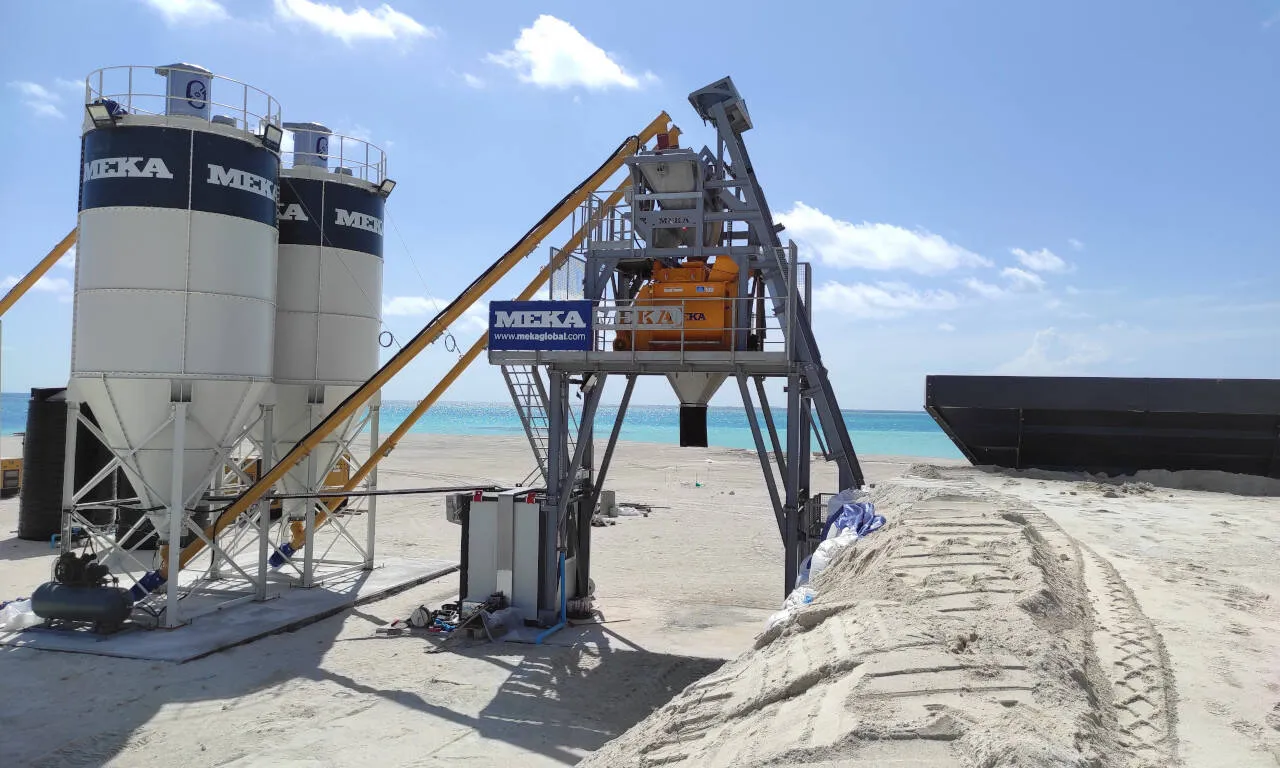
In modern construction projects, concrete quality depends directly on measurement accuracy during production. Concrete batching plant calibration is essential to achieve precise material dosing, consistent concrete strength, and full compliance with international standards. This guide explains the calibration process for concrete batching plants, industry requirements, and MEKA’s proven, field-tested approach step by step.
What Is a Concrete Batching Plant and Why Is Calibration So Important?
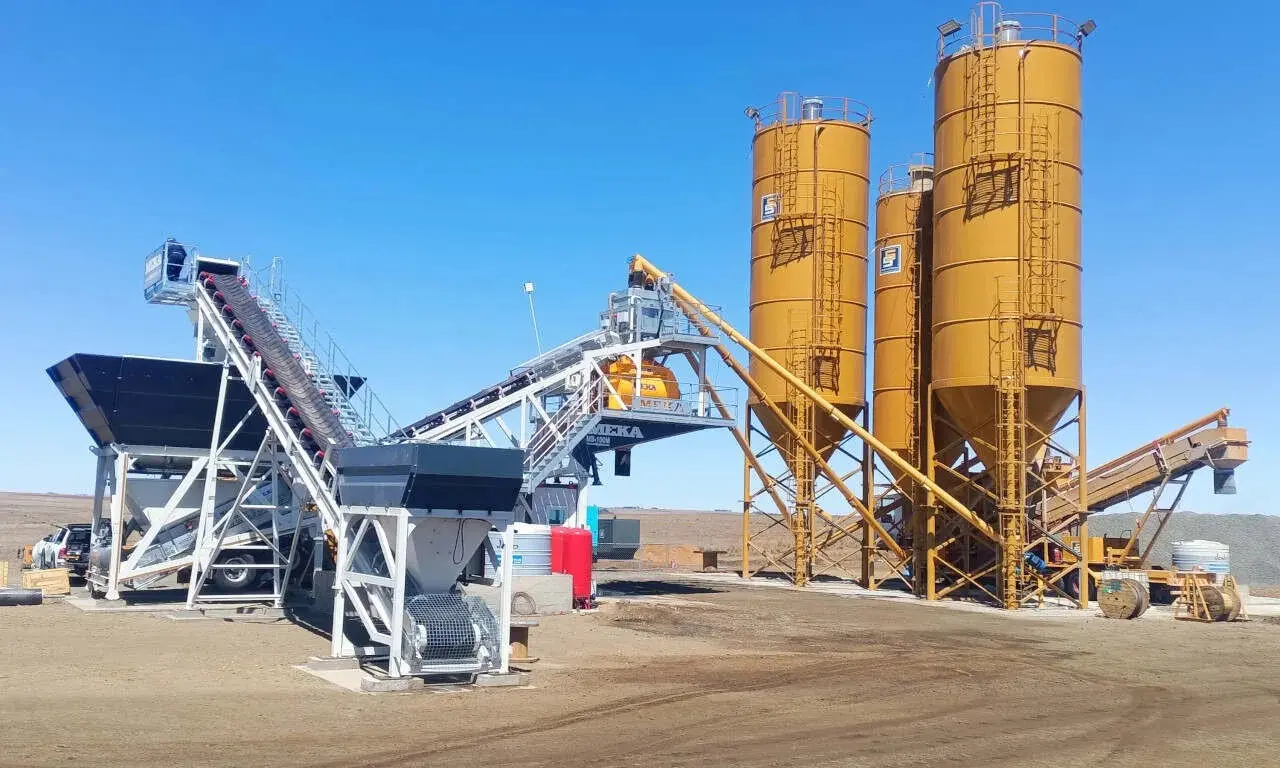
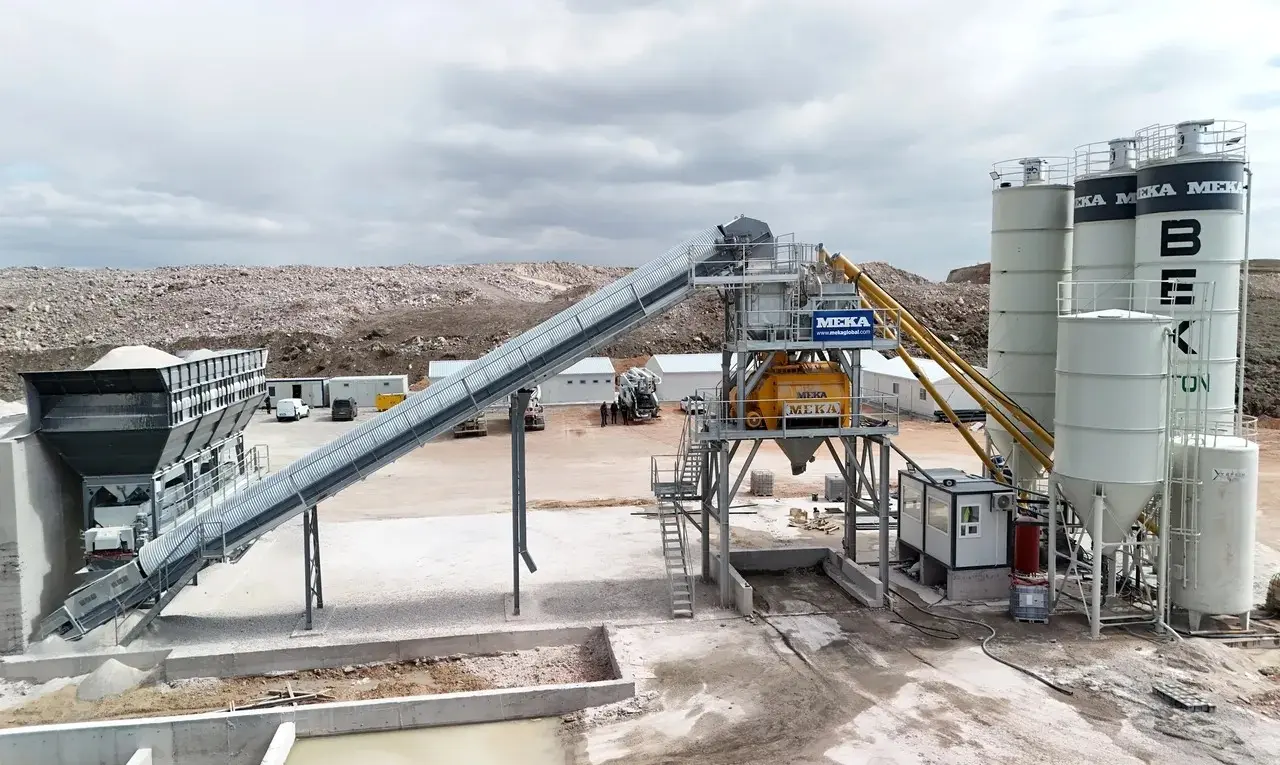
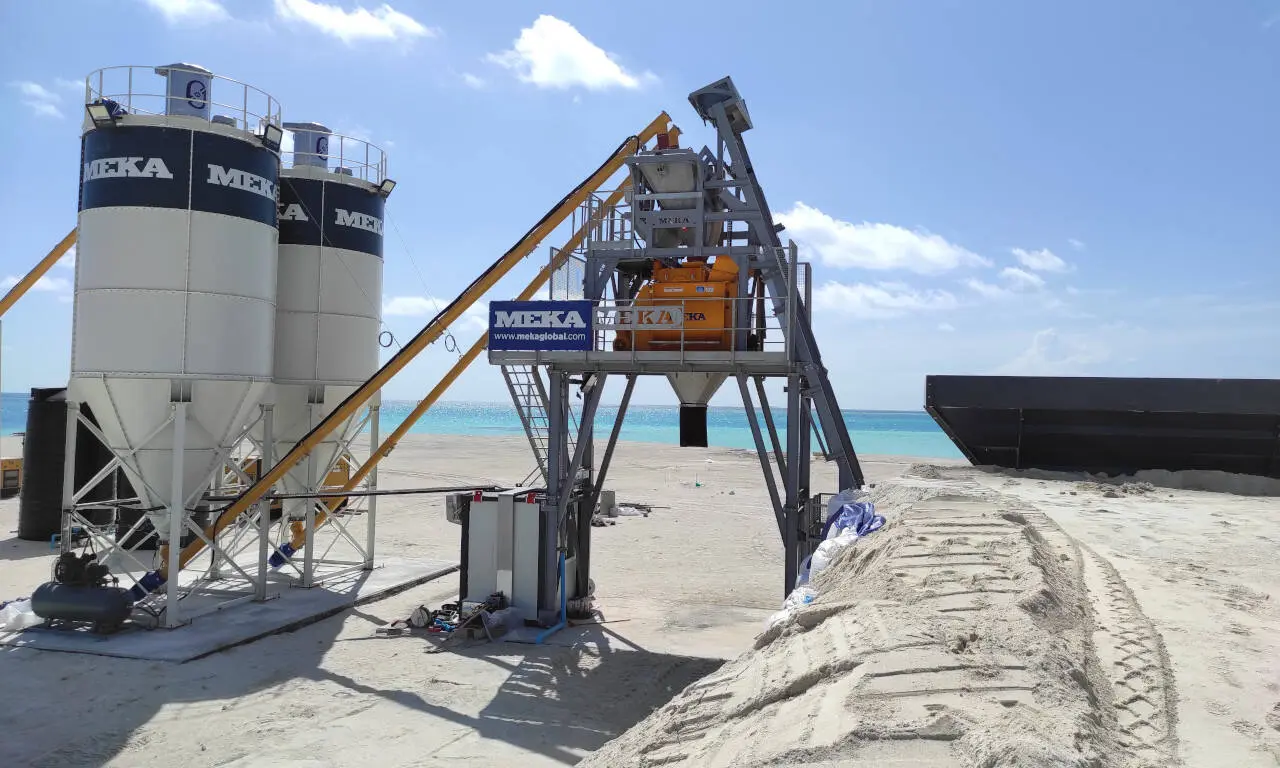
A concrete batching plant is a production system where aggregate, cement, water, and admixtures are weighed and mixed in specified proportions.
If there’s any deviation in this chain, the concrete class will fail, schedules will slip, and costs will increase.
Calibration verifies the accuracy of weighing and measuring elements, ensuring mix consistency, regulatory compliance, and traceability.
For MEKA, calibration is not just a “fine-tuning” routine — it means repeatable production and minimized downtime.
Why Is Calibration So Critical?
Mix accuracy: Incorrect weighing directly affects the water-cement ratio and concrete strength.
Repeatability: The same recipe must yield identical results regardless of which operator or shift produces it.
Compliance and auditability: Quality systems cannot function without traceable records.
Cost control: Dosing errors cause both material waste and costly re-production.
Accurate calibration means every batch you produce meets design strength — without wasting material or time.
Concrete Batching Plant Calibration Standards and Codes
References: EN 206 (Concrete), EN 45501 / OIML R76 (Weighing instruments), and manufacturer guidelines.
Other markets: Local regulations and national standards (e.g., relevant IS codes).
Frequency: Every 3–6 months depending on usage; repeat after major maintenance, load-cell replacement, or before audits.
Records: Certificates, raw measurement sheets, deviation graphs, and calibration labels are archived for QMS/ISO 9001.
Digital traceability: Recipes, batch data, and calibration logs are stored centrally via SCADA or automation systems.
Following international standards ensures global compliance and smooth quality audits.
Step-by-Step Calibration Procedure
The workflow below aligns with MEKA’s automation logic. Menu names and numerical ranges may vary depending on model and software version.a. Pre-Check and Safety
- Switch the plant to safe mode and ensure power isolation (lock-out / tag-out).
- Inspect load-cell cables, connectors, junction boxes, and indicators for visual or electrical faults.
- Remove any material buildup or mechanical friction that might affect accuracy.
- Note environmental conditions such as wind, vibration, temperature, or humidity.
b. Zero and Dead Load Check
- Calibrate zero when the system is completely empty.
- Verify stability — the zero reading should remain constant for 2–3 minutes. If drift occurs, record it for analysis.
c. Preparation of Reference Weights
- Use certified test weights whenever possible.
- For high-capacity systems where weights are insufficient, use water or aggregate for incremental verification.
- Typical test points: 5 %, 20 %, 40 %, 60 %, 80 %, and 100 % of full capacity.
Certified test weights build confidence in your calibration data.
d. Incremental Loading and Readings
- Allow the indicator reading to stabilize before recording.
- Take measurements while increasing and decreasing the load to detect hysteresis.
- Log actual versus displayed values, percentage error, and deviations in a calibration table.
e. Adjustment (Span / Linearization) and Verification
- Adjust the span to align displayed and actual weights.
- If available, perform multi-point linearization for higher precision.
- Re-measure all points after adjustment. If readings are still off, check for physical obstructions or friction that may affect accuracy.
Fine-tuning ensures that every load-cell communicates exact weight values to the automation system.
f. Acceptance Criteria
- In field conditions, an error within ± 0.5 % is generally acceptable, though project specifications or local rules may require tighter limits.
- For cement and chemical admixtures, aim for ± 0.25 %.
- If water is measured with a flowmeter, verify the reading by filling and measuring a known-volume container.
g. Documentation and Labeling
- Compile reports, raw data, and deviation charts into a single calibration file.
- Label each weighing point with operator name, calibration date, and next due date.
- Activate the “Calibration Verified” status in the automation system.
Clear documentation supports audit readiness and traceable production quality.
Equipment-Specific Notes
Aggregate belt / skip weighing:
Material sticking or friction is a common cause of errors. Check belt tension and roller condition.
Cement weighing:
Airflow and filter condition affect stability. Silo valves and vibrators should not operate during weighing.
Water dosing:
Verify consistent fill/discharge timing if using a flowmeter.
If an aggregate moisture probe is installed, calibrate it separately to ensure accurate moisture compensation.
Chemical admixtures:
Slow or sticky flow can distort readings. Inspect small hoses and dripping nozzles regularly for clogging or wear.
Each material behaves differently — precise calibration for each ensures consistent mix performance.
Common Field Issues and Quick Fixes
Zero drift:
Check grounding and cable shielding first.
If the problem persists, mechanical friction or temperature variation may be the cause.
Loss of linearity:
Try multi-point recalibration; if unresolved, replace the load-cell.
Poor repeatability:
Reduce vibration, tighten loose connections, and shield from wind.
Aggregate deviation:
Moisture variation is common — update the probe calibration and enable automatic moisture compensation.
Water dosing discrepancy:
Inspect for air bubbles, dirty flowmeters, or slow-closing valves.
Systematic troubleshooting keeps plant performance and accuracy stable over time.
| Task | Frequency | Notes | |
| Cleaning and visual inspection | Weekly | Buildup and friction are critical issues | |
| Zero drift check | Monthly | Record stability trend | |
| Partial verification (selected points) | Every 3 months | Monthly under heavy use | |
| Full calibration | Every 6 months | Repeat before audits | |
| Moisture probe calibration | Every 1–3 months | Re-calibrate when aggregate source changes | |
| Flowmeter volume check | Every 3–6 months | Compare actual bucket volume vs. counter | |
Consistent maintenance keeps accuracy within limits and minimizes production interruptions.
Best Practices for Continuous Improvement
Standardized procedure: Apply identical workflows and forms across all plants.Spare kit: Keep certified test weights and critical spare parts (load-cell, indicator, cable).
Digital archiving: Save batch, recipe, and calibration records from SCADA directly as PDF.
Environmental protection: Ensure wiring and housings resist dust, humidity, and vibration.
Data-driven management: Analyze error trends to optimize equipment life and preventive maintenance.
Conclusion
When performed improperly, it leads to cost overruns and scheduling delays;
when executed correctly, it ensures recipe consistency, faster audits, and minimal downtime.
With MEKA’s traceable and repeatable calibration workflow, these benefits become a sustainable advantage in every plant.
Ready to Take Calibration to the Next Level?
Looking to standardize calibration across your concrete plants?
MEKA’s automation systems include built-in calibration management for full traceability and compliance.
MEKA GLOBAL